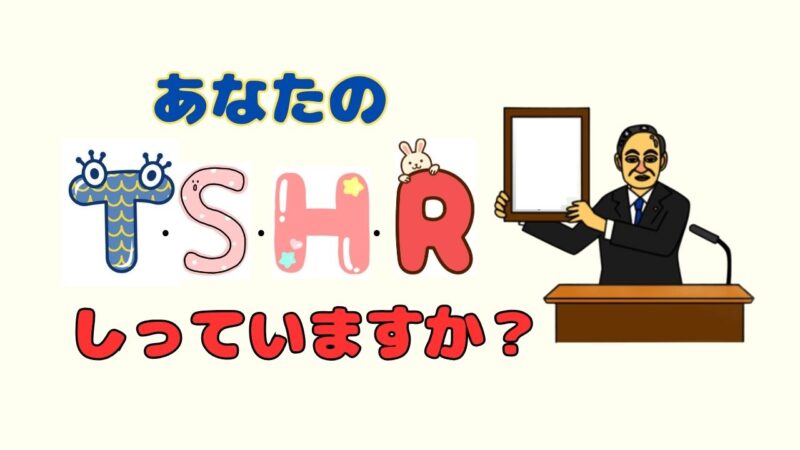
In Japan, we often use the initials, or 頭文字 (kashiramoji), of “T・S・H・R.” I am an “S,” but what about you? Are you an “S” or an “H”? I don’t think anyone reading this blog is a “T” or “R.”
“T・S・H・R” are the initials of the 元号 (gengō, era name) in the Japanese calendar, or 和暦 (wareki). 大正 (Taishō) is “T,” 昭和 (Shōwa) is “S,” 平成 (Heisei) is “H,” and 令和 (Reiwa) is “R.”
In Japan, we mainly use the Western calendar (西暦, seireki) and the Japanese calendar, but from my personal experience, I think we use the Japanese calendar more often. We use it at hospitals and city offices, of course, but also when registering on websites or signing contracts for services.
If you are a student studying in Japan or someone working in Japan, you may have to write your date of birth, or 生年月日 (seinengappi), using the Japanese calendar: 大正 (Taishō) T, 昭和 (Shōwa) S, 平成 (Heisei) H, or 令和 (Reiwa) R.
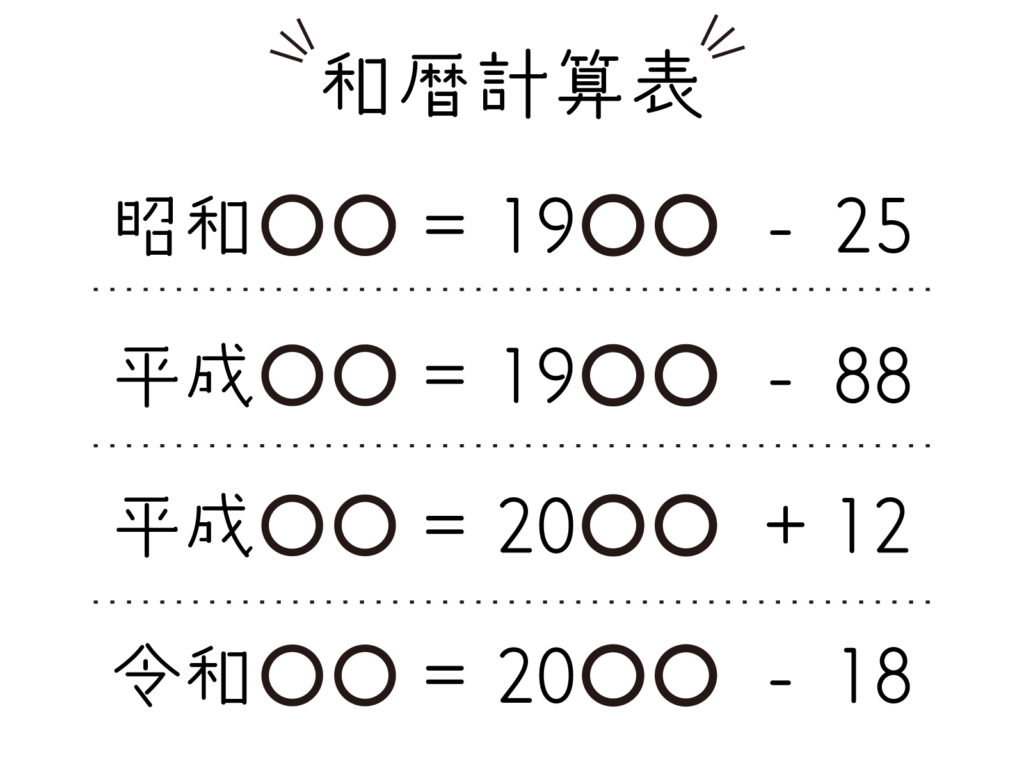
So today, I would like to introduce a simple guide to the Japanese calendar and a quick reference chart, or 早見表 (hayami hyō), for your Japanese calendar date of birth. Please check your own date of birth!
Oh! By the way, the first year of the 令和 (Reiwa) era is called 令和元年 (Reiwa gannen). This year, 2024, is 令和6年 (Reiwa 6-nen).
日本では「T・S・H・R」の頭文字(かしらもじ/initial)をよく使います。私は「S」ですが、みなさんは「S?」「H?」どっちですか??このブログを読んでいる人で「T」「R」の人は、いないと思います。
「T・S・H・R」は、日本の「和暦 (われき)」の元号(げんごう/era name)の頭文字です。「大正 (たいしょう)」は「T」で、「昭和 (しょうわ)」は「S」で、「平成 (へいせい)」は「H」で、「令和 (れいわ)」は「R」です。
日本では主に、西暦(せいれき)と和暦を使いますが、私の肌感覚では和暦を使う方が多いと思います。病院や市役所はもちろんのこと、サイトに登録したり、サービスを契約したりするときなどで使います。
日本に留学する人、日本で働く人、同じく生年月日を「大正 T」「昭和 S」「平成 H」「令和 R」で書かないといけないことがあります。
それで今日は、簡単な和暦の紹介と、みなさんの和暦の生年月日(せいねんがっぴ)早見表(はやみひょう)をご紹介しようと思います。ご自分の和暦の生年月日をチェックしてください~~。
あ!ちなみに、令和(れいわ)の始まる年を「令和元年(れいわがんねん)」といいます。今年は、2024年なので「令和6年」です。

Where is the “Japanese calendar” used?
I thought back on when I’ve used the Japanese calendar in my daily life. I recently used it when I was creating my resume, or 履歴書 (rirekisho). Although you can use either the Western or Japanese calendar on a resume, I feel like more people use the Japanese calendar. I also wrote the date on the daily report, or 日報 (nippō), that I write every day using the Japanese calendar.
「和暦」はどこで使う??
私が日常生活で和暦をいつ使ったかを振り返って考えてみました。最近、履歴書(りれきしょ)を作成するときに和暦を使いました。履歴書は西暦でも和暦でもいいですが、和暦を使う人の方が多い気がします。毎日、書く「日報(にっぽう)」の日付も和暦で書きました。


A few days ago, I signed a contract, and I also wrote the date using the Japanese calendar. I think the Japanese calendar is overwhelmingly used when filling out dates. It is said that the dates on official documents, or 公文書 (kōbunsho), are fixed to be in the Japanese calendar. I was reminded once again of how closely the Japanese calendar is tied to the lives of Japanese people.
それから、先日契約書にサインをしましたが、そのときの日付も和暦で書きました。日付の記入は、圧倒的に和暦が多いと思います。公文書(こうぶんしょ)の日付は和暦と決まっているそうです。あらためて、和暦は日本人の生活に密着しているとつくづく思いました。
Trivia about the Japanese calendar
The Japanese calendar began in the year 645 A.D. with the first era name of 大化 (Taika). Since then, there have been 248 era names to date. The era changed from 平成 (Heisei) to 令和 (Reiwa) just recently on May 1, 2019, but since the 明治 (Meiji) era, it has become the practice to “change to a new era name when the emperor, or 天皇 (tennō), ascends to the throne, or 即位 (sokui).” Before that, the era would change for various reasons, such as when bad things happened like earthquakes, fires, or the spread of an epidemic, or conversely, when something good happened.
The current Japanese era is 令和 (Reiwa), and in 2019 when the era changed, there was a festive atmosphere for the new era name. There was a great deal of interest in the new era name, with the characters for 令和 (Reiwa) written on various goods and sold, and there were celebratory events for the new era name.
和暦の豆知識
和暦のはじまりは、西暦645年からで「大化(たいか)」という元号が最初だそうです。それから、現在までの元号の数は248あります。2019年5月1日に、平成から令和に変わったばかりですが、明治(めいじ)以降「天皇(てんのう)が即位(そくい)するときに、新しい元号に変える」ようになったそうです。それまでは、地震や火災、疫病(えきびょう)が流行るなどの良くないことが起きたときや、その逆に良いことがあったときなど、いろいろな理由で元号が変わりました。
現在の和暦は「令和」ですが、2019年の元号が代わった年は、新元号のお祭り雰囲気でした。新しい元号に大きな関心があって、いろいろな物に「令和」の文字が書き込まれて売られたり、新元号になったお祝いイベントなどがありました。
Western Calendar・Japanese Calendar・Zodiac
When you live in Japan, you will need to know what year it is in the Japanese calendar. First, please check your date of birth.
西暦・和暦
日本で暮らしていると、和暦で何年なのかを知る必要が出てきます。まずは、みなさんの生年月日を確認してください。

Summary
This time, I provided a simple introduction to the Japanese calendar and a quick reference chart for your date of birth. The Japanese calendar is also a part of Japanese culture. I think it’s interesting that Japan has cultures that other countries don’t, such as the Japanese calendar, or 和暦 (wareki), and the personal seal, or 判子 (hanko).
We often have conversations like, “What year were you born in the 昭和 (Shōwa) era?” or “What year were you born in the 平成 (Heisei) era?” What about you? “What year were you born in the 昭和 (Shōwa) era?” or “What year were you born in the 平成 (Heisei) era?” I was born in 昭和42年 (Shōwa 42-nen).
I think that foreigners will also have to use the Japanese calendar often as they live in Japan. Sometimes it might feel troublesome, but whether you calculate it or look at a chart, I hope you can get along well with the Japanese calendar.
まとめ
今回は簡単な和暦の紹介と、みなさんの和暦の生年月日早見表をご紹介しました。和暦も日本文化ですね。日本には海外にはない「和暦」や「判子(はんこ)」などの文化が残っていておもしろいと思います。
よく「昭和、何年生まれですか?」「平成、何年生まれ?」といった会話をしますが、みなさんは、「昭和、何年生まれですか?」「平成、何年生まれですか?」。私は「昭和42年生まれ」です。
外国人の方も、日本で暮らすにあたって和暦を使うことが多くなると思います。ときに、めんどくさく感じることがあると思いますが、計算して和暦を出すか、表を見るかで和暦と仲良く過ごしてください~。
🏅🏅Japanese Culture Series 🏅🏅
✅ Continued here
『Japanese Life and Culture Series ❷』Japanese names are interesting ^o^/ ↓
💮🌸Here’s the next one.『Japanese Culture Series 2』日本人の名前が、おもしろい!^o^/
✅【Japanese Life and Culture Series ❸ 】 “Chappy” Japanese “Personification Culture”↓
🌸💮Here’s the next one.『Japanese Culture Series ❸ 』「チャッピー」日本人の「擬人化文化」


コメント